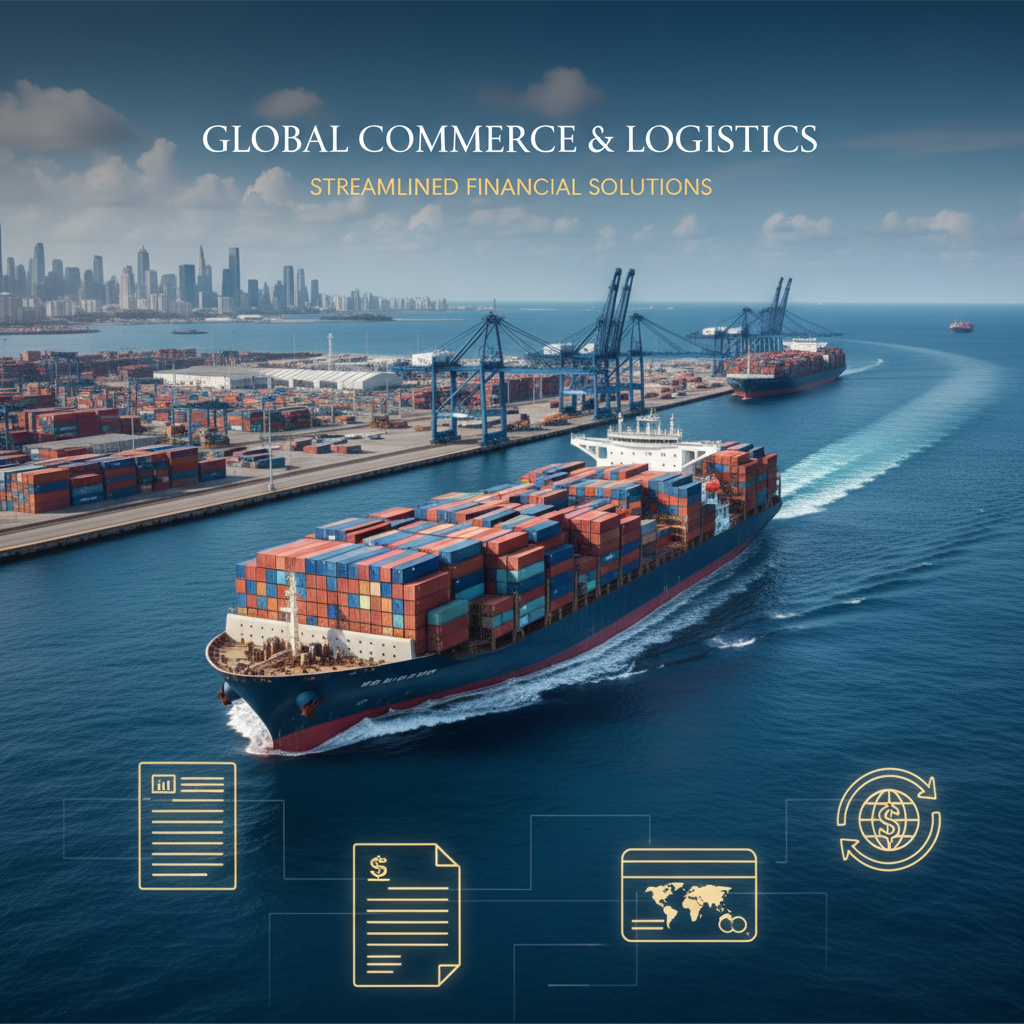
Trade finance is a critical lifeline for Australian businesses involved in importing, exporting, or managing complex supply chains. Whether you’re a small exporter looking to expand internationally or a distributor managing multiple suppliers, understanding trade finance solutions can unlock significant cash flow opportunities and reduce financial risk.
What is Trade Finance and Why Does Your Business Need It?
Trade finance encompasses a range of financial products designed to support businesses engaged in domestic and international trade. Unlike traditional business loans, trade finance is specifically structured around the movement of goods and the payment terms between buyers and suppliers. This makes it an ideal solution for businesses looking to optimise working capital while managing the risks inherent in trade transactions.
For Australian SMEs, trade finance can be the difference between seizing growth opportunities and being constrained by cash flow limitations. Whether you’re waiting 60+ days for customer payments or need to secure inventory before sale, trade finance bridges the gap efficiently.
Types of Trade Finance Solutions
Import and Export Finance: If your business relies on cross-border transactions, import and export finance helps you manage currency fluctuations, payment delays, and supplier credit terms. This is essential for Australian exporters working with international buyers who may require extended payment terms.
Supply Chain Financing: For businesses managing multiple suppliers and customers, supply chain finance solutions optimise the timing of payables and receivables, freeing up working capital without taking on traditional debt.
Invoice Finance and Factoring: Convert outstanding customer invoices into immediate cash, allowing you to maintain operations and pay suppliers on time—critical when managing trade cycles.
How Trade Finance Solves Real Business Challenges
Consider a typical scenario: You’re an Australian distributor importing goods from Asia. Your supplier demands payment upfront, but your customers won’t pay for 90 days. Trade finance bridges this gap, allowing you to import, sell, and manage cash flow smoothly without straining your balance sheet.
Or imagine you’re an exporter with a major international order. Trade finance covers documentation, shipping, and credit insurance—protecting you from non-payment risk while funding the transaction.
Trade Finance FAQ
Q: Is trade finance only for large exporters?
A: No. Trade finance solutions scale from small SMEs to large enterprises. Whether you’re managing $50,000 or $5 million in annual trade transactions, there’s a solution tailored to your needs.
Q: How quickly can I access trade finance?
A: Approval timelines vary, but many trade finance facilities can be established within 5-10 business days once documentation is submitted. Invoice finance can be even faster—sometimes within 48 hours.
Q: Does trade finance affect my credit score?
A: Trade finance is structured as a commercial facility, not consumer credit. It typically impacts your business credit profile positively, as it demonstrates active management of working capital.
Getting Started with Trade Finance
Trade finance isn’t a one-size-fits-all solution. Your business structure, transaction types, and cash flow patterns all influence which solution works best. That’s why working with experienced advisors who understand Australian trade finance is crucial.
At Co Pilot Finance & Insurance, we partner with specialists who understand the nuances of trade transactions and can structure financing that aligns with your specific supply chain dynamics. Whether you’re managing local or international trade, we can help you unlock the cash flow your business needs to grow.
Ready to optimise your trade finance strategy? Explore our business finance solutions and discover how trade finance can transform your working capital management today.